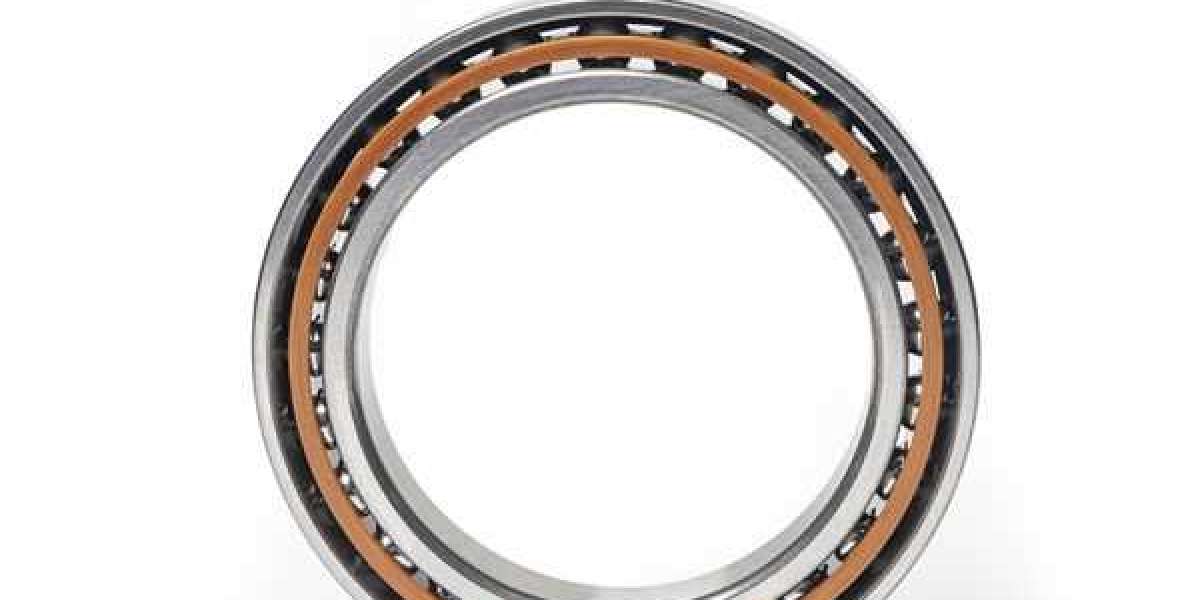

When a high-precision spindle begins to overheat or vibrate, the clock starts ticking on your production deadline. In my years on the factory floor, I have seen how subtle mounting errors can ruin even the best components.
The unique geometry of an angular contact bearing allows it to handle combined loads, but this versatility comes with a catch. If the contact angle is not perfectly aligned with your axial thrust, the friction levels will skyrocket.
Thermal expansion is often the silent enemy in B2B machinery maintenance. As an experienced manufacturer, I recommend checking your preload settings immediately if you notice a sudden rise in operating temperature or noise.
The Preload Paradox: Finding the Balance
One of the most common problems maintenance teams face is "over-preloading." While a tight preload increases stiffness and accuracy, it also generates significant heat. In high-speed CNC applications, this heat causes the balls to expand more than the rings, leading to a "thermal runaway" that seizes the machine.
If your angular contact bearing shows signs of blue discoloration on the raceway, your preload is likely too heavy. To solve this, consider switching to a "light" or "medium" factory-set preload or using ceramic balls (hybrid bearings) which generate less centrifugal force at high RPMs.
Managing Unidirectional Axial Loads
Unlike standard ball bearings, these units are designed to take thrust in only one direction. A frequent "rookie" mistake in B2B assembly is installing the bearing backward. This causes the balls to ride on the low shoulder of the ring, leading to rapid metal flaking and catastrophic failure.
To ensure reliability, check these three factors:
Face-to-Face (DF) vs. Back-to-Back (DB) mounting: DB is better for moment loads and rigidity.
Housing Tolerances: A housing that is too tight prevents the outer ring from expanding, causing internal stress.
Shaft Straightness: Even a few microns of runout will cause uneven wear on the contact angles.
Lubrication Starvation in High-Speed Applications
Lubrication for an angular contact bearing isn't just about "adding grease." At high speeds, the grease can actually be "thrown out" of the contact zone by centrifugal force. This leaves the contact angle dry, causing micro-welding between the ball and the race.
For long-term B2B operations, oil-air lubrication or specialized high-speed synthetic greases are essential. If you see "silvering" (a dull, frosted appearance) on the balls, your lubrication film is too thin. Upgrading to a lubricant with a higher viscosity index can often double the life of the part without changing any other hardware.
Solving Vibration Through Better Matching
In duplex or triplex sets, the "match" is everything. If the bearings in a pair aren't ground to the exact same offset, one bearing will carry the entire load while the other "skids." Skidding leads to flat spots on the rolling elements.
Using universally matchable bearings ensures that the load is distributed 50/50. This stability reduces the vibration floor of your equipment, leading to better surface finishes on your manufactured parts and less wear on the motor.
| Symptom | Probable Root Cause | Expert Fix |
| High-frequency Whine | Improper Preload | Adjust Spacer or Shim |
| Spindle Drift | Inadequate Rigidity | Use Back-to-Back (DB) Pairing |
| Rapid Heat Spike | Lubricant Churning | Reduce Grease Fill Volume |
Conclusion
As a dedicated manufacturer and supplier, we offer precision angular contact bearing solutions built for heavy industrial use. Contact us for high-quality, durable components today.