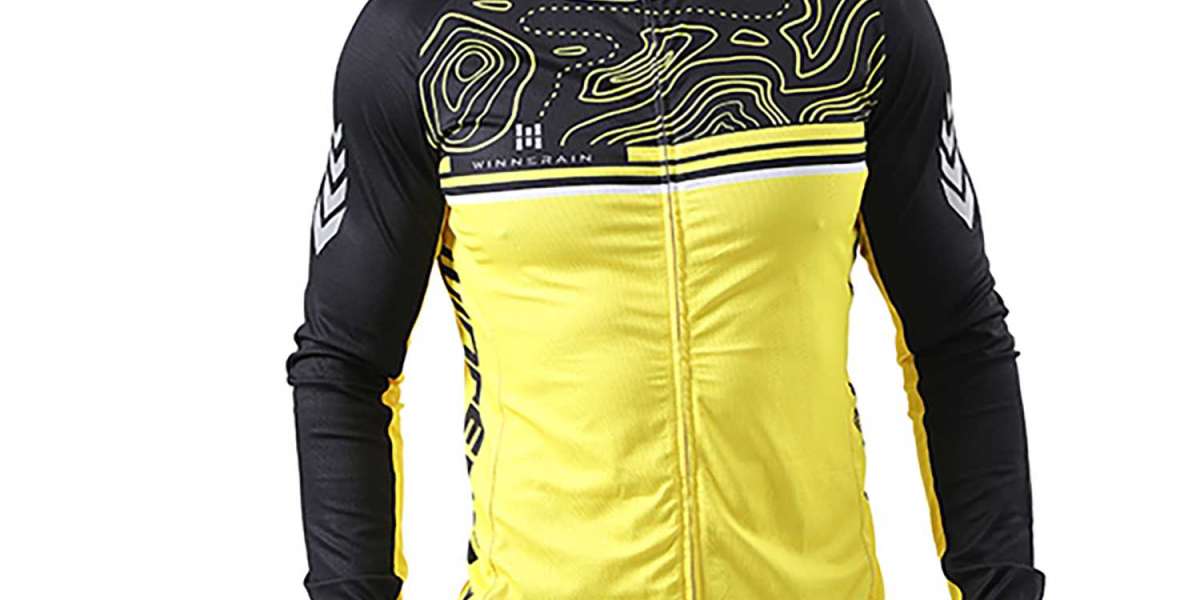

In the competitive B2B swimwear landscape of 2026, the humble rash guard shirt has evolved from a basic surf accessory into a high-tech piece of protective equipment. Whether your clients are supplying professional dive centers, luxury resorts, or high-intensity athletic gyms, the expectations for performance have never been higher.
However, many wholesalers and retailers are currently facing a silent crisis: a surge in product returns due to technical failures that aren't visible on a showroom hanger. If your current stock is losing its shape, failing to protect skin, or irritating your customers, you have a manufacturing bottleneck. As industry experts, we’ve identified the core problems plaguing the modern rash guard shirt supply chain and the actionable solutions to ensure your brand remains a market leader.
1. The "Wet-Weight" Problem: Addressing Fabric Sag
One of the most frequent complaints from end-users is that their rash guard shirt fits perfectly in the dressing room but becomes heavy and oversized the moment it hits the water.
The Problem: Low-density polyester blends absorb too much water and lack "modulus"—the technical term for a fabric's ability to resist stretching under tension. This results in a garment that sags, drags in the water, and interferes with the wearer’s movement.
The Expert Solution: Shift your sourcing to high-gauge interlock knits with a weight of at least 210–230 GSM (grams per square meter). These fabrics provide a "compressed" fit that maintains its structural integrity when wet. Ensure your manufacturer uses XTRA LIFE™ LYCRA®, which is engineered to provide five times the shape retention of standard spandex.
2. Invisible Risks: The Failure of Non-Permanent UV Protection
A rash guard shirt is, first and foremost, a tool for sun safety. However, the B2B market is currently flooded with garments that offer a false sense of security.
The Problem: Many suppliers use inexpensive chemical coatings to achieve a UPF 50+ rating. These coatings typically wash out within 10 to 15 launderings, leaving the consumer vulnerable to UV radiation without them realizing it.
The Expert Solution: Demand intrinsic UV protection. This is achieved through a high-density weave and the use of dull or semi-dull yarns that naturally block radiation. When negotiating with factories, ask for AATCC 183 certification performed after accelerated aging tests. A "Permanent UPF" guarantee is a massive competitive advantage for your B2B marketing.
3. The "Chafing Crisis": Seam Integrity and Placement
The name "rash guard" implies protection from irritation, yet poor construction often causes the very problem the shirt is meant to prevent.
The Problem: Traditional "overlock" or "safety" stitches create raised ridges on the inside of the garment. When combined with salt water and repetitive motion (like paddling or swimming), these seams act like sandpaper against the skin.
The Expert Solution: Transition your entire line to 6-needle flatlock stitching. This creates a seam that is entirely flat on both sides of the fabric. Furthermore, look for ergonomic raglan sleeves. By moving the seam away from the underarm and onto the chest/back, you eliminate the primary friction point for active users.
4. Heat Management: The Breathability Gap
In 2026, tropical climates and rising temperatures mean that a rash guard shirt must do more than just protect—it must cool.
The Problem: Thick, non-breathable synthetics can cause "heat soak," where the wearer’s body temperature rises to uncomfortable levels during beach activities or surface intervals between dives.
The Expert Solution: Incorporate moisture-wicking mesh panels under the arms or along the lateral torso. Using fabrics with hydrophobic properties ensures that the shirt dries 50% faster than standard nylon, using evaporative cooling to regulate the wearer's temperature.
Technical Specification Comparison: Performance vs. Standard
| Feature | Standard Retail Shirt | Professional Rash Guard Shirt |
| Fabric Density | 160-180 GSM | 210-240 GSM (Compression Grade) |
| Stitching | 4-Thread Overlock | 6-Needle Flatlock (Zero Friction) |
| Sun Protection | Chemical Coating (Temporary) | Fiber-Integrated UPF 50+ (Permanent) |
| Chlorine Resistance | Low (Yellowing/Thinning) | High (Chlorine-Proof Elastane) |
| Fit Design | T-Shirt Style (Loose) | Anatomical / Ergonomic Paneling |
5. The Sustainability and Microplastic Mandate
The 2026 B2B buyer is no longer satisfied with "recycled" labels; they demand proof of ocean-positive manufacturing.
The Problem: Standard virgin polyester sheds microplastics into the very oceans your customers are trying to enjoy.
The Expert Solution: Utilize rPET (Recycled Polyethylene Terephthalate) sourced from certified post-consumer waste. By pairing this with high-density knitting techniques that reduce fiber shedding by up to 80%, you provide a "Clean Ocean" narrative that resonates deeply with eco-conscious retailers and dive resorts.
Conclusion
Winning in the rash guard shirt market requires a transition from "selling apparel" to "providing solutions." When you address the technical flaws of sagging, chafing, and UV degradation, you aren't just selling a shirt—you are selling reliability.
For the B2B professional, the goal is to reduce returns and build a reputation for gear that lasts. In the high-energy world of water sports, quality isn't just a luxury; it's the baseline for survival.