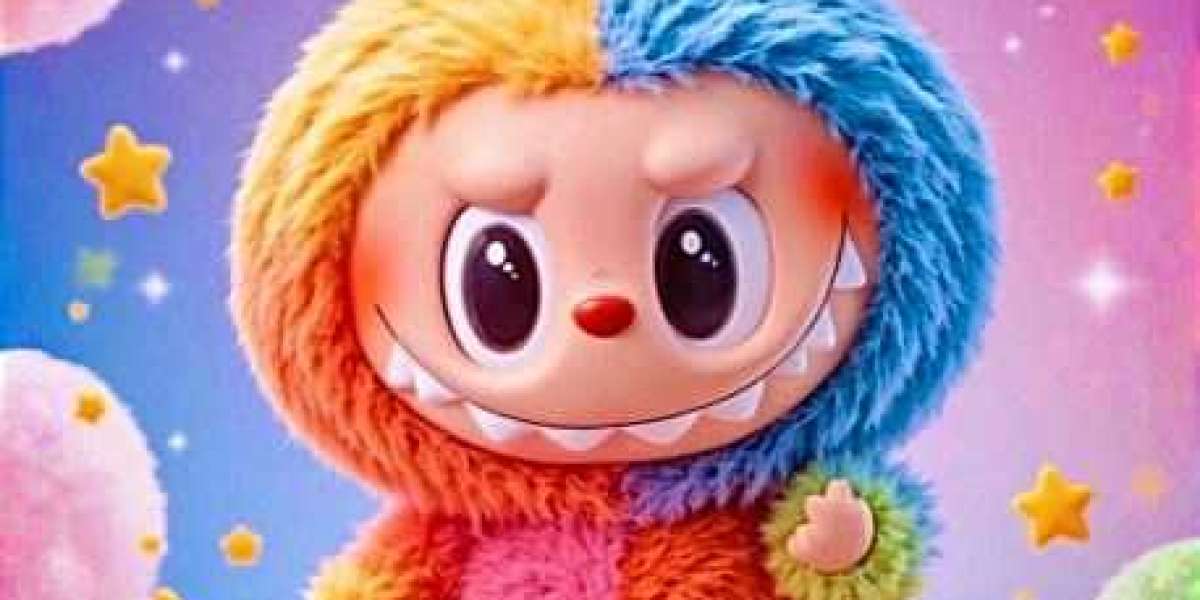

Labubu has rapidly become one of the most talked‑about names in the global toy and design community. What began as a fictional character conceived by a visionary artist has evolved into a multifaceted cultural phenomenon that spans fashion, collectibles, social media trends, and global pop culture. In this article, we explore the origins, design, cultural impact, and ongoing craze surrounding Labubu—one of the most influential collectible figures of the 2020s.
Origins and Creation of Labubu
Labubu was created by Hong Kong illustrator Kasing Lung as part of his imaginative story series The Monsters in 2015. The series was inspired by Nordic mythology and folklore, blending whimsical fantasy with unconventional design. Labubu is depicted as a mischief‑loving, elf‑like creature featuring distinctive traits such as large round eyes, pointy ears, and a playful grin with sharp teeth. This unique aesthetic sets Labubu apart from traditional cute characters and resonates with collectors seeking originality over conventional design.
In 2019, Labubu’s potential was fully unlocked when Pop Mart, a Chinese collectibles company, partnered with Kasing Lung to produce a dedicated line of blind box figures. These figures were packaged in sealed boxes that concealed which specific character was inside, creating mystery and driving collectibility. The strategy catapulted Labubu from a niche character to a global trend within the art toy ecosystem.
The Blind Box Phenomenon and Collectibility
One of the key drivers of Labubu’s rise is the blind box format, a marketing and distribution strategy that has reshaped modern toy collecting. Blind boxes offer buyers a surprise‑element purchase experience, where the exact figure is unknown until opened. This model plays into human psychology—specifically fear of missing out (FOMO) and the thrill of discovery—which has amplified demand for rare and limited‑edition Labubu figures.
Pop Mart regularly releases themed series under The Monsters umbrella, including special editions and occasional “secret” figures that are significantly rarer than common ones. Over time these releases have fostered passionate communities of collectors, online discussion channels, and fan‑driven exchanges where scarce Labubu toys can fetch high resale values.
Labubu Design and Aesthetic Appeal
Unlike many collectible figures that strive for pure cuteness, Labubu Canada combines elements of whimsy with a slightly mischievous and unpredictable personality. The character’s design includes playful features such as rounded furry bodies, expressive eyes, exaggerated ears, and a row of sharp teeth that give it a mixture of charm and edginess.
The distinctive design has positioned Labubu as more than just a toy. It functions as an emblem of creative expression, where aesthetics meet personality. Collectors often interpret Labubu’s appearance as a representation of emotional nuance—embracing imperfection, creaturely charm, and a playful challenge to conventional toy design norms.
Global Craze: From Collectors to Pop Culture
By 2024 and into 2025, Labubu had transcended its origin as a collectible figure to become a global pop culture symbol. Its influence extended beyond traditional toy markets into fashion accessories, social media trends, and collaborations with other brands. Limited‑edition Labubu keychains, plush variants, and stylized art pieces began appearing in major cities across East and Southeast Asia and even in Europe and North America.
Celebrity endorsements played a notable role in Labubu’s mainstream recognition. Public appearances by high‑profile entertainers seen with Labubu figures helped elevate it to a status similar to once‑trending collectibles like Beanie Babies or Funko Pops, but with a distinctly modern and edgy twist on design culture.
The Name “Labubu”: Meaning and Interpretation
Interestingly, Labubu itself doesn’t have a literal meaning in any traditional language. It is a neologism—a crafted name chosen for its playful sound and emotional resonance rather than lexical definition. The name evokes a sense of whimsy, light‑hearted chaos, and imaginative play, much like the character’s personality.
This absence of literal meaning may be part of its appeal: Labubu represents feeling more than definition. For fans, the name embodies joy, creativity, and the freedom to interpret the character in personal and expressive ways.
Community, Culture, and Social Media Impact
Labubu has become a viral topic on platforms like TikTok, Instagram, and collector forums, where users showcase unboxings, share rare finds, and discuss strategies for acquiring limited editions. Social media algorithms have amplified Labubu’s visibility, enabling it to reach audiences well beyond core collector circles.
Online communities have developed a shared language around the characters, variants, and collecting goals. This participatory culture has transformed Labubu from a static product into an interactive experience—a cultural touchstone that reflects broader trends in online fandom and hobbyist engagement.
Challenges and Market Dynamics
Despite its popularity, the rapid rise of Labubu has prompted a few issues. Secondary markets have seen inflated resale prices for rare figures, leading to concerns about speculation overshadowing enjoyment of the art form itself. Counterfeit versions, often sold as knock‑offs, have also plagued the market, prompting collectors to exercise caution and verify authenticity.
Some market analysts have suggested that the intense focus on a single character could present long‑term sustainability challenges for companies overly reliant on Labubu’s appeal. Such dynamics were spotlighted in financial reporting when Pop Mart’s dependence on The Monsters IP led to investor concerns about market concentration.
Labubu’s Future: A Cultural Mainstay
Looking ahead, Labubu’s presence in global culture shows signs of enduring influence. With planned media expansions—such as animated content and cross‑brand collaborations—the character remains at the forefront of toy innovation and trend culture. As consumer interests evolve, Labubu stands as a case study in how imaginative design, community engagement, and modern marketing strategies converge to define a collectible icon.