
A snagging inspection is one of the most important yet often overlooked steps when purchasing a new property. Whether you are buying a house, apartment, or commercial space, everything may appear flawless at first glance. Fresh paint, modern fittings, and a clean finish can easily hide underlying defects. However, many newly built or renovated properties contain issues that only become visible upon closer inspection. These issues can range from minor cosmetic flaws to serious structural or system-related problems. A snagging inspection helps identify these defects before you take full ownership, ensuring that the developer fixes them without additional cost to you. Understanding the importance of snagging inspections can save you money, time, and stress while protecting your investment in the long run.
What is a Snagging Inspection
A snagging inspection is a detailed evaluation of a property carried out to identify defects, incomplete work, or poor workmanship. These defects are commonly referred to as snags. The inspection is usually conducted before the final handover of the property so that any issues can be reported and resolved by the developer. Snags can include visible issues such as cracks, paint defects, and misaligned fittings, as well as hidden problems like plumbing leaks, electrical faults, or poor insulation. The main goal is to ensure that the property meets quality standards and matches what was promised in the agreement.
Why Snagging Inspection is Important
A snagging inspection plays a crucial role in ensuring that your property is delivered in proper condition. One of the biggest advantages is financial protection. Buying a property involves a significant investment, and even small defects can lead to expensive repairs if left unresolved. By identifying issues early, you can have them fixed at the developer's expense. Another key reason is quality assurance. Construction projects often involve multiple contractors, and mistakes can happen at different stages. A snagging inspection ensures that the final product meets acceptable standards. Safety is another important factor, as faulty electrical systems or plumbing leaks can pose serious risks. Addressing these issues before moving in ensures a safe and comfortable environment.
When Should You Conduct a Snagging Inspection
Timing is critical when it comes to snagging inspections. The most effective time is before the final handover of the property. This allows you to report any defects while the developer is still responsible for fixing them. Conducting an inspection at this stage gives you leverage and ensures that all issues are resolved before you move in. In some cases, a second inspection can be carried out after handover, especially during the defect liability period. This helps identify problems that may not have been visible initially. Some buyers also choose to perform inspections during construction to monitor progress and quality at different stages, although this is less common.
What Does a Snagging Inspection Include
A thorough snagging inspection covers every part of the property to ensure that no detail is overlooked. Interior areas such as walls, ceilings, and floors are checked for cracks, uneven surfaces, and finishing quality. Doors and windows are inspected to ensure proper alignment and smooth operation. Kitchens and bathrooms are examined for fitting quality, functionality, and installation standards. Electrical systems are tested to confirm that switches, sockets, and lighting fixtures are working correctly. Plumbing systems are checked for leaks, water pressure, and drainage efficiency. Exterior areas such as balconies, roofs, and building finishes are also inspected for quality and durability. Structural elements are evaluated to identify any signs of poor construction or instability.
Common Issues Found During Snagging Inspections
Snagging inspections often reveal a variety of common defects that can affect both the appearance and functionality of a property. Cosmetic issues such as uneven paintwork, scratches, and chipped surfaces are frequently found. Installation problems like misaligned doors, loose handles, and poorly fitted cabinets are also common. Flooring issues such as uneven tiles or gaps in wooden flooring can affect both aesthetics and safety. Plumbing defects, including leaks and poor drainage, can lead to long term damage if not addressed. Electrical problems such as faulty switches or incomplete wiring can pose safety risks. In some cases, structural concerns like cracks in walls or ceilings may indicate deeper construction problems. Identifying these issues early allows them to be fixed before they worsen.
The Snagging Inspection Process
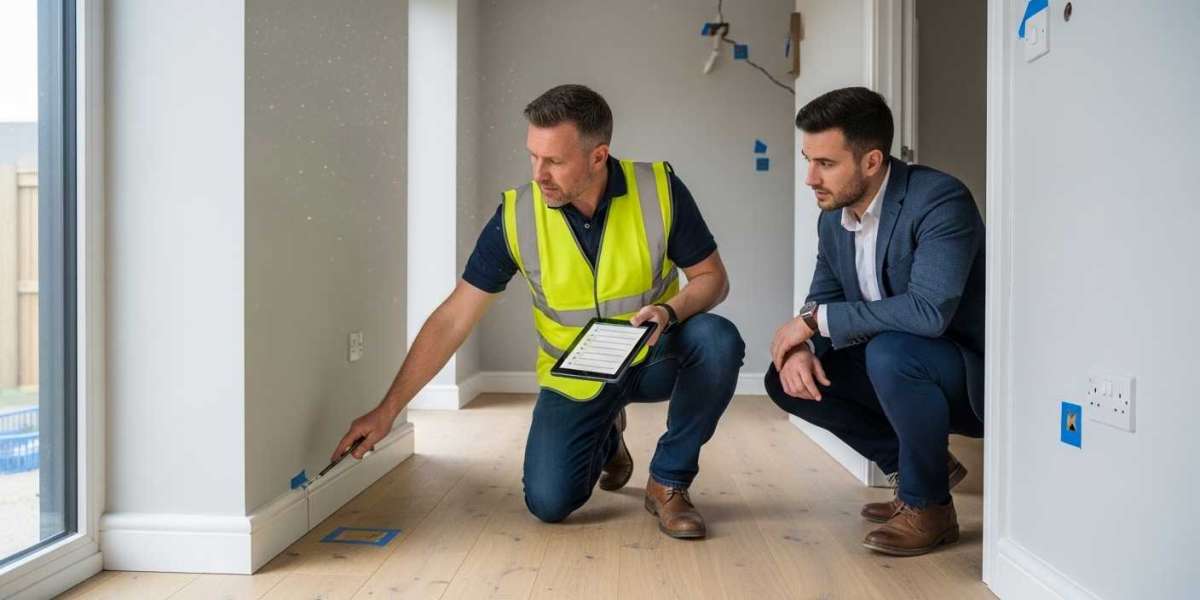
The snagging inspection process begins with hiring a qualified inspector who has the expertise to conduct a detailed assessment. The inspector carefully examines the property using a systematic approach and a comprehensive checklist. Each area of the property is evaluated to identify defects and ensure compliance with quality standards. After the inspection, a detailed report is prepared that lists all identified issues along with descriptions. This report serves as official documentation that can be used to request repairs from the developer. Once the developer completes the necessary fixes, a follow up inspection may be conducted to confirm that all issues have been properly resolved.
Benefits of Hiring a Professional Snagging Inspector
Hiring a professional snagging inspector offers several advantages. Professionals have the knowledge and experience to identify issues that may not be visible to an untrained eye. They use specialized tools to detect hidden defects such as moisture problems or structural weaknesses. A professional inspection provides a comprehensive report that strengthens your position when dealing with developers. It also saves time and ensures that the inspection is carried out thoroughly and efficiently. While there is a cost involved, the long term benefits of avoiding expensive repairs make it a worthwhile investment.
DIY Snagging Inspection vs Professional Inspection
A do it yourself snagging inspection can help identify basic issues and may be useful as an initial step. However, it has limitations due to lack of expertise and equipment. Many hidden defects can go unnoticed without proper knowledge and tools. A professional inspection, on the other hand, provides a more detailed and accurate assessment. It covers all aspects of the property and ensures that even minor issues are identified. While a DIY approach may save money initially, it can lead to higher costs in the future if problems are missed. Therefore, combining both approaches can be a practical solution, where you perform a basic check and then hire a professional for a thorough inspection.
Tips for a Successful Snagging Inspection
To ensure a successful snagging inspection, it is important to plan carefully and pay attention to detail. Inspect the property during daylight hours to clearly see any defects. Test all electrical systems, including switches and sockets, to confirm proper functionality. Check plumbing fixtures for leaks and water pressure. Examine walls, ceilings, and floors for cracks or uneven surfaces. Pay attention to doors and windows to ensure they open and close smoothly. Take notes and document all issues you find. Compare the property with the specifications provided by the developer to ensure everything has been delivered as promised. Avoid rushing the inspection process, as a thorough evaluation leads to better results.
Long Term Value of Snagging Inspection
A snagging inspection is not just about identifying defects before moving in, it also contributes to the long term value of your property. By ensuring that all issues are resolved early, you prevent future maintenance problems and preserve the condition of the property. This is especially important if you plan to sell or rent the property in the future, as a well maintained property attracts higher value and better returns. It also provides peace of mind, knowing that your property is safe, functional, and built to a good standard.
FAQs About Snagging Inspection
What is the purpose of a snagging inspection
The purpose is to identify defects or unfinished work in a property before final handover so that they can be fixed by the developer
Is snagging inspection necessary for new properties
Yes, even new properties can have defects, and a snagging inspection ensures that everything meets quality standards
How long does a snagging inspection take
It usually takes a few hours depending on the size and complexity of the property
Can I perform a snagging inspection myself
You can do a basic inspection, but hiring a professional is recommended for a more detailed assessment
What happens after the snagging inspection
You receive a report listing all defects, which you submit to the developer for repairs, followed by a possible re inspection
Conclusion
A snagging inspection is an essential step in the property buying process that ensures your new property is delivered in the best possible condition. It helps identify defects, ensures quality standards, and protects your investment from unexpected repair costs. By addressing issues before moving in, you can enjoy a safe and comfortable living environment without unnecessary stress. Whether you choose a DIY approach or hire a professional inspector, the key is to conduct a thorough inspection and take action on the findings. Investing time and effort in a snagging inspection ultimately leads to better property quality, long term savings, and complete peace of mind.