
A snagging inspection is a crucial step for anyone purchasing a newly built or recently renovated property. Whether you are buying a home for personal use or as an investment, ensuring that the property is delivered in perfect condition is essential. This process involves identifying defects, incomplete work, or poor finishes before final handover, allowing developers or contractors to fix issues before they become costly problems.
With the rise in new construction projects, the demand for professional snagging inspections has increased significantly. Buyers today are more aware of their rights and the importance of quality assurance, making snagging inspections a standard practice in the real estate process.
What Is a Snagging Inspection
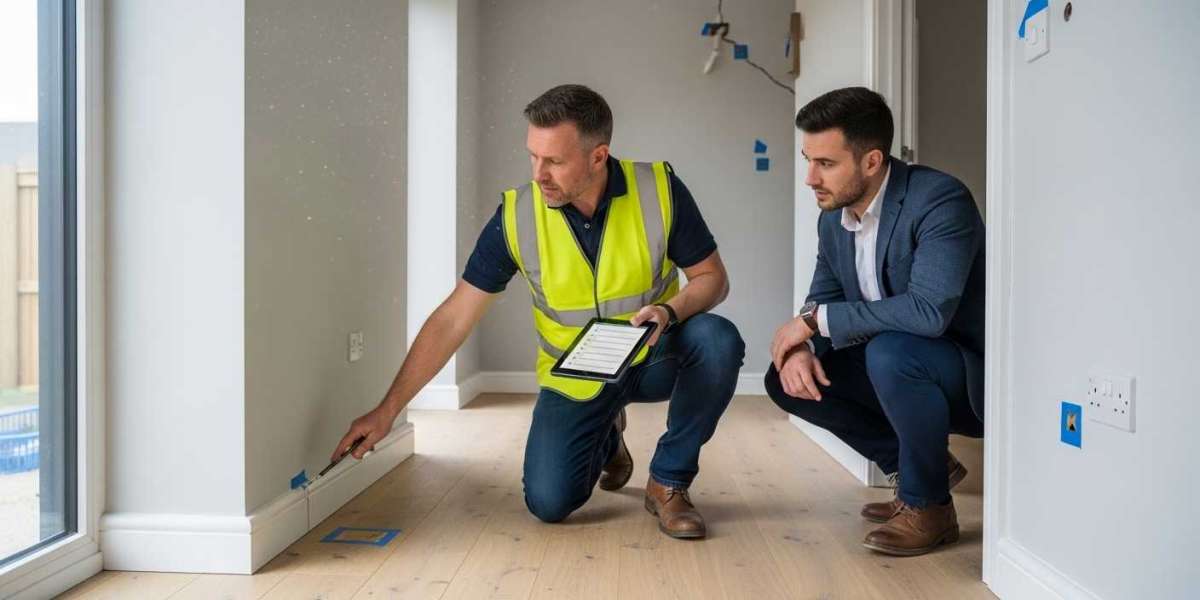
A snagging inspection is a detailed evaluation of a property to identify any faults or defects that need to be corrected. These defects, commonly known as snags, can range from minor cosmetic issues like paint imperfections to more serious structural or mechanical problems.
The inspection is usually conducted before the final handover of the property, giving buyers the opportunity to request repairs from the developer. It ensures that the property meets the agreed standards and specifications outlined in the contract.
Why Snagging Inspection Is Important
Buying a property is a significant investment, and even newly built homes can have defects. A snagging inspection protects buyers from unexpected repair costs and ensures that they receive what they paid for.
One of the main reasons snagging inspections are important is quality assurance. Construction projects often involve multiple teams working under tight deadlines, which can lead to mistakes. A professional inspection helps identify these issues early.
Another key benefit is financial protection. Fixing defects after moving in can be expensive and inconvenient. By addressing issues before handover, buyers save both time and money.
Snagging inspections also provide peace of mind. Knowing that your property has been thoroughly checked allows you to move in confidently without worrying about hidden problems.
When Should a Snagging Inspection Be Done
Timing plays a critical role in the effectiveness of a snagging inspection. Ideally, it should be carried out when the construction is complete but before the final handover.
In many cases, buyers arrange an inspection once the developer notifies them that the property is ready. This stage is perfect because all installations, finishes, and fittings should be in place.
Some buyers also choose to conduct multiple inspections, including an initial check and a follow-up visit to ensure that all identified issues have been resolved properly.
What Does a Snagging Inspection Cover
A comprehensive snagging inspection covers every aspect of the property, both internally and externally. The goal is to ensure that everything is functioning correctly and meets the expected standards.
Structural Elements
Inspectors check walls, ceilings, and floors for cracks, uneven surfaces, or poor finishes. Structural integrity is a top priority, as any issues here can lead to serious problems in the future.
Electrical Systems
All electrical components, including switches, sockets, lighting fixtures, and circuit breakers, are tested. The inspector ensures that everything is safe and working correctly.
Plumbing and Water Systems
Plumbing is carefully examined for leaks, water pressure issues, and proper drainage. Fixtures such as sinks, showers, and toilets are tested to confirm functionality.
Doors and Windows
Doors and windows are checked for proper alignment, smooth operation, and secure locking mechanisms. Any gaps or poor sealing are also noted.
Finishes and Fixtures
This includes paintwork, tiling, cabinetry, and fittings. Inspectors look for scratches, chips, uneven finishes, and any signs of poor workmanship.
HVAC Systems
Heating, ventilation, and air conditioning systems are inspected to ensure they are installed correctly and functioning efficiently.
Common Issues Found During Snagging Inspections
Even high-end properties can have defects. Some of the most common issues identified during snagging inspections include uneven paint finishes, cracked tiles, poorly installed fixtures, and faulty electrical outlets.
Water leakage is another frequent problem, often found in bathrooms and kitchens. Misaligned doors and windows are also common and can affect both security and energy efficiency.
In some cases, more serious issues such as structural cracks or improper installations may be discovered. Identifying these early is critical to avoiding long-term damage.
Benefits of Hiring a Professional Snagging Inspector
While some buyers attempt to inspect properties themselves, hiring a professional snagging inspector offers several advantages. Professionals have the expertise and tools needed to identify issues that may not be visible to an untrained eye.
They follow a systematic approach, ensuring that no part of the property is overlooked. Their detailed reports provide clear documentation of all defects, making it easier to communicate with developers.
Professional inspectors also understand construction standards and regulations, ensuring that your property complies with required guidelines.
DIY Snagging Inspection Tips
If you prefer to conduct a basic inspection yourself, there are several things you can check. Start by examining walls and ceilings for cracks or uneven paint. Open and close all doors and windows to ensure they function smoothly.
Turn on taps and showers to check water pressure and look for leaks. Test electrical outlets and switches to confirm they are working properly.
Although a DIY inspection can help identify obvious issues, it may not be as thorough as a professional assessment.
How to Prepare for a Snagging Inspection
Preparation is key to making the most of your snagging inspection. Begin by reviewing your property contract and specifications to understand what should be included.
Make a checklist of areas to inspect and take notes during the visit. It is also helpful to bring a camera to document any defects you find.
If you are hiring a professional inspector, ensure that they have access to all areas of the property and any necessary documents.
Snagging Report and Next Steps
After the inspection, a detailed snagging report is prepared. This document lists all identified defects along with descriptions and, in some cases, photographic evidence.
The report is then shared with the developer or contractor, who is responsible for addressing the issues. Once repairs are completed, a follow-up inspection may be conducted to ensure that everything has been fixed properly.
It is important to keep communication clear and maintain records of all correspondence related to the repairs.
Snagging Inspection for Different Types of Properties
Snagging inspections are not limited to residential homes. They are equally important for apartments, villas, and commercial properties.
For apartments, inspections often include shared areas and building facilities. Villas require more extensive checks due to their larger size and additional features.
Commercial properties may involve more complex systems, making professional inspections even more critical.
FAQs
What is the purpose of a snagging inspection
The purpose of a snagging inspection is to identify defects or unfinished work in a property before final handover so that they can be corrected by the developer.
Is a snagging inspection necessary for new homes
Yes, even newly built homes can have defects. A snagging inspection ensures that the property meets quality standards and is free from issues.
How long does a snagging inspection take
The duration depends on the size and complexity of the property. It can take a few hours for smaller units and longer for larger homes.
Can I do a snagging inspection myself
You can perform a basic inspection, but hiring a professional is recommended for a more thorough and accurate assessment.
What happens after a snagging inspection
After the inspection, a report is provided to the developer, who is responsible for fixing the identified issues before the final handover.
Conclusion
A snagging inspection is an essential step in the property buying process that should never be overlooked. It ensures that your new home or investment is delivered in the best possible condition, free from defects and construction issues. By identifying and resolving problems early, you can avoid costly repairs and enjoy peace of mind.
Whether you choose to conduct the inspection yourself or hire a professional, the goal remains the same: to protect your investment and ensure quality. Taking the time to carry out a thorough snagging inspection will ultimately lead to a smoother handover and a better overall property experience.