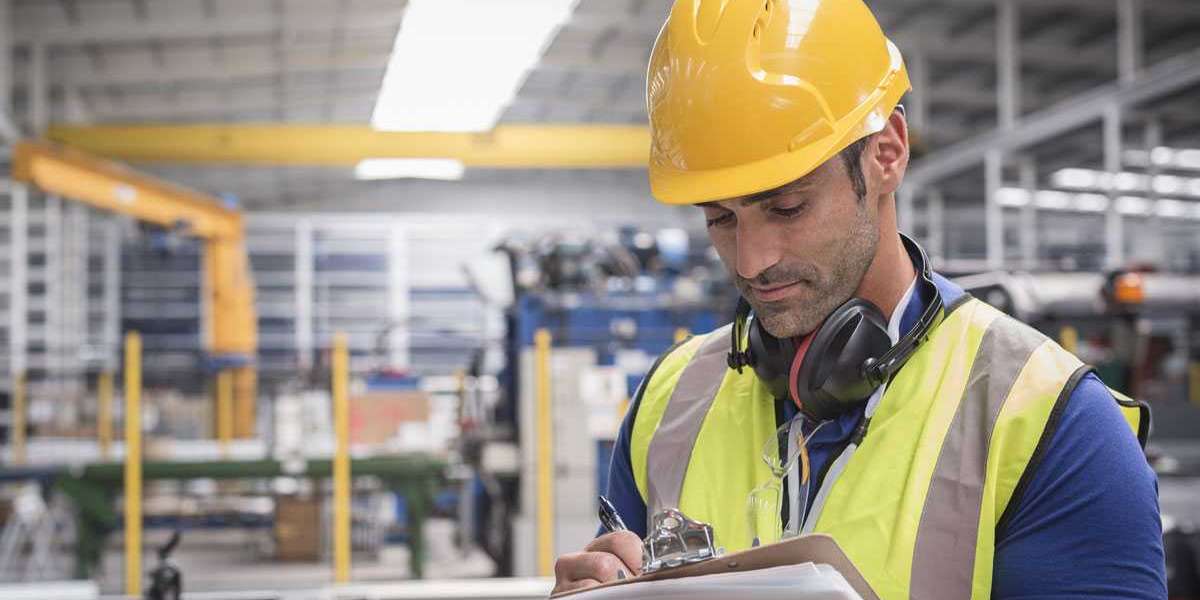

In many workplaces, serious incidents rarely happen without warning. Small signs often appear first, such as a near-miss, a minor equipment glitch, or a small safety slip that gets ignored. Over time, these “small moments” can reveal patterns that help prevent larger accidents. Recording such events consistently helps teams build safer systems instead of reacting after damage occurs.
In structured safety learning, even discussions around reporting systems are linked with training requirements like NEBOSH course fees, where learners explore how documentation, hazard tracking, and risk reporting work together in real environments.
Why Minor Workplace Events Matter More Than They Seem
Minor events often look harmless, but they carry valuable information about weak points in workplace systems. A small spill, a brief equipment malfunction, or a near-miss tells a story about what could go wrong under slightly different conditions.
When these details are recorded properly, teams can prevent repeated issues and reduce risk exposure across departments.
How Small Events Connect to Bigger Risks
A manufacturing unit may ignore repeated machine overheating because it does not cause immediate breakdowns. However, over time, this pattern can lead to full equipment failure or injury. Recording these signals helps supervisors act before escalation occurs.
Benefits of Recording Minor Workplace Events
1. Early Risk Detection
Minor reports act as early warnings. They allow teams to identify hazards before they turn into serious incidents. This proactive approach strengthens workplace safety culture.
2. Pattern Recognition Across Teams
When data is collected over time, recurring issues become visible. A single incident may seem random, but repeated occurrences highlight systemic problems that need attention.
3. Improved Communication Between Workers and Management
Recording small events encourages open communication. Employees feel more comfortable reporting issues when they see action being taken on earlier reports.
4. Stronger Compliance with Safety Procedures
Documented events help organizations stay aligned with safety guidelines. It becomes easier to track whether procedures are being followed correctly or need improvement.
5. Better Training and Awareness Programs
Real recorded events provide material for training sessions. Workers learn more effectively from actual workplace examples rather than theoretical explanations.
Common Reasons Minor Events Go Unreported
Fear of Blame or Judgment
Employees may avoid reporting small issues if they believe it will reflect poorly on their performance.
Lack of Reporting Systems
In some workplaces, there is no clear or simple way to record minor events, leading to underreporting.
Misjudging Severity
Workers sometimes assume that if no injury occurred, the event is not worth reporting.
Time Pressure
Busy schedules often push reporting to the side, even when workers notice potential risks.
How to Encourage Consistent Reporting
Create Simple Reporting Channels
Make it easy for employees to record events quickly without complex procedures.
Build a Non-Punitive Culture
Workers should feel safe reporting issues without fear of blame or criticism.
Provide Feedback on Reports
When employees see that their reports lead to real changes, they are more likely to continue reporting.
Include Reporting in Daily Routines
Short safety briefings can remind teams to share even small observations regularly.
Practical Steps to Record Minor Workplace Events Effectively
Step 1: Define What Should Be Reported
Clear guidelines help employees identify which events are important, including near-misses, equipment irregularities, and unsafe conditions.
Step 2: Use Standard Documentation Formats
Consistent forms make it easier to analyze data later and identify patterns across departments.
Step 3: Review Reports Regularly
Supervisors should evaluate reports frequently to ensure timely action.
Step 4: Act on Trends, Not Just Individual Cases
Even if one event seems minor, repeated reports should trigger investigation and corrective action.
Step 5: Share Outcomes with Teams
Communicating improvements builds trust and reinforces reporting behavior.
Real Workplace Example
In a logistics warehouse, multiple employees reported minor slipping incidents near the loading area. Individually, each event seemed unimportant. After reviewing reports, management discovered a recurring issue with floor condensation. Anti-slip flooring was installed, reducing incidents significantly. This shows how minor records can prevent larger injuries.
Building a Safety Culture Through Documentation
Recording small events is not just about compliance. It builds a workplace culture where safety becomes a shared responsibility. Employees become more aware of their surroundings, and management gains clearer insight into operational risks.
Over time, this approach creates a feedback loop where every reported detail contributes to a safer and more efficient environment.
Training and Learning Pathways for Better Safety Practices
Organizations that prioritize safety documentation often invest in structured learning programs to strengthen employee capability. These programs help workers interpret risks, report effectively, and respond to early warning signs in a professional way.
A well-structured safety course also helps learners connect real-world reporting with formal safety systems. Choosing programs like NEBOSH Fee in Pakistan options allows learners to gain practical exposure to hazard identification and workplace reporting standards in a guided learning environment.
FAQs
1. Why is recording minor workplace events important?
It helps identify risks early and prevents small issues from turning into serious incidents.
2. What types of events should be recorded?
Near-misses, small equipment issues, unsafe conditions, and minor injuries should all be documented.
3. How does reporting improve workplace safety?
It creates visibility of risks, allowing corrective actions before accidents occur.
4. What stops employees from reporting minor events?
Fear of blame, unclear systems, and time pressure are common reasons.
5. How can companies improve reporting habits?
By simplifying reporting systems and encouraging a non-punitive safety culture.
Conclusion
Recording minor workplace events helps organizations detect risks early, improve communication, and strengthen safety systems over time. These small details often reveal larger patterns that prevent serious incidents when acted upon correctly. With consistent reporting and structured safety education, workplaces become more proactive and resilient.