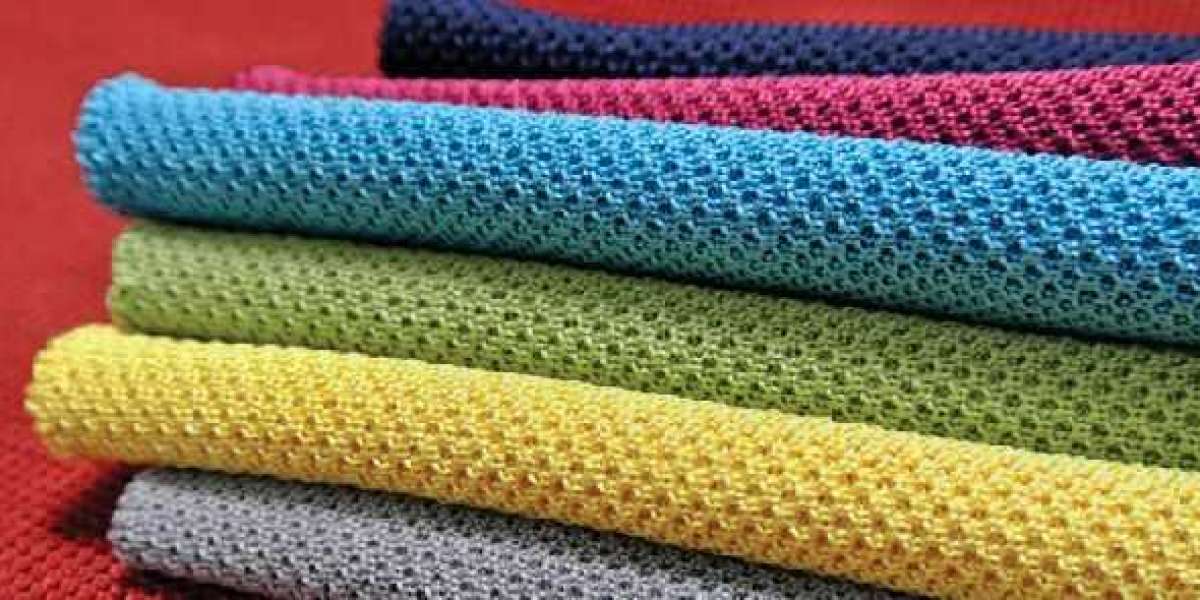

Knitted fabric material plays a big role in modern apparel and textile brands that want comfort, stretch, and style. From everyday T-shirts to activewear and cozy sweaters, knitted fabrics help brands create products people love to wear. This guide explains what knitted fabric material is, how it is made, and why it is a smart choice for growing clothing and textile businesses.
What Is Knitted Fabric Material
Knitted fabric material is made by looping yarns together instead of weaving them across each other. These loops create a soft and flexible surface that can stretch easily. Because of this structure, knitted fabrics feel gentle on the skin and move well with the body.
In the fashion world, many brands choose knitted fabrics because they are easy to wear and work well for many clothing types. You will often see knitted fabric material used in casual wear, sportswear, baby clothes, and even home textiles.
In today’s apparel market, learning about tknitted fabric material helps brands make better fabric choices for comfort and long-term use. Understanding the basics allows designers and manufacturers to pick the right fabric for each product.
How Knitted Fabrics Are Made
Loop-Based Fabric Structure
Knitted fabrics are created using needles that form yarn loops. These loops connect side by side, creating a fabric that can stretch in many directions. This structure is different from woven fabrics, which use straight yarns that cross over and under.
Types of Knitting Methods
There are two main knitting methods used in textile production:
Weft knitting, which forms loops across the width of the fabric
Warp knitting, which creates loops along the length of the fabric
Both methods produce soft and flexible fabrics, but they serve different uses depending on the clothing design.
Common Types of Knitted Fabric Materials
Jersey Knit Fabric
Jersey knit is one of the most popular knitted fabrics. It is smooth on the front and slightly textured on the back. This fabric is widely used for T-shirts, dresses, and casual tops.
Rib Knit Fabric
Rib knit fabric has raised lines and strong stretch. It is often used for cuffs, collars, and waistbands. This fabric holds its shape well and adds comfort.
Interlock Knit Fabric
Interlock knit fabric is thicker and smoother on both sides. It is stronger than jersey knit and works well for premium garments that need a clean look. more
Benefits of Knitted Fabric for Apparel Brands
Comfort and Flexibility
Knitted fabrics stretch easily, private label clothing manufacturers making them comfortable for daily wear. This is why many activewear and casual brands rely on knitted materials.
Breathability and Soft Feel
The looped structure allows air to pass through the fabric. This helps keep the wearer cool and comfortable, especially in warm weather.
Easy Care and Durability
Most knitted fabrics are easy to wash and maintain. With proper care, they keep their shape and softness for a long time.
Why Textile Brands Prefer Knitted Fabric Material
Textile brands choose knitted fabric material because it fits modern fashion needs. Customers want clothing that feels soft, looks good, and lasts long. Knitted fabrics meet all these needs without adding high production costs.
Brands can also use knitted fabrics for a wide range of products. From simple basics to stylish fashion pieces, knitted material supports creative designs and branding goals.
Uses of Knitted Fabric in Different Products
Everyday Clothing
Knitted fabrics are widely used in shirts, leggings, pajamas, and underwear. Their stretch and softness make them perfect for daily wear.
Sports and Activewear
Sportswear brands use knitted fabric material for flexibility and moisture control. These fabrics help athletes move freely and stay comfortable.
Home and Lifestyle Textiles
Knitted fabrics are also used in blankets, cushion covers, and soft furnishings. Their cozy feel adds comfort to home products.
Things to Consider When Choosing Knitted Fabric
When selecting knitted fabric material, brands should think about the final product. Fabric weight, stretch level, and yarn quality all matter. Choosing the right fabric helps improve fit, feel, and customer satisfaction.
It is also important to work with reliable manufacturers who understand fabric performance and quality standards.
Key Advantages at a Glance
Soft and skin-friendly texture
Natural stretch for easy movement
Suitable for many apparel styles
Easy to care for and long-lasting
Final Thoughts for Apparel and Textile Brands
Knitted fabric material continues to shape the future of fashion and textiles. Its comfort, flexibility, and wide use make it a top choice for brands that want happy customers and strong products. By learning about fabric types and uses, brands can make smarter decisions and improve their collections.
To create high-quality garments using knitted fabrics, many brands partner with experienced private label clothing manufacturers who understand fabric sourcing and production. Trusted partners like We Print Your Box help brands turn fabric choices into finished products that stand out in the market.