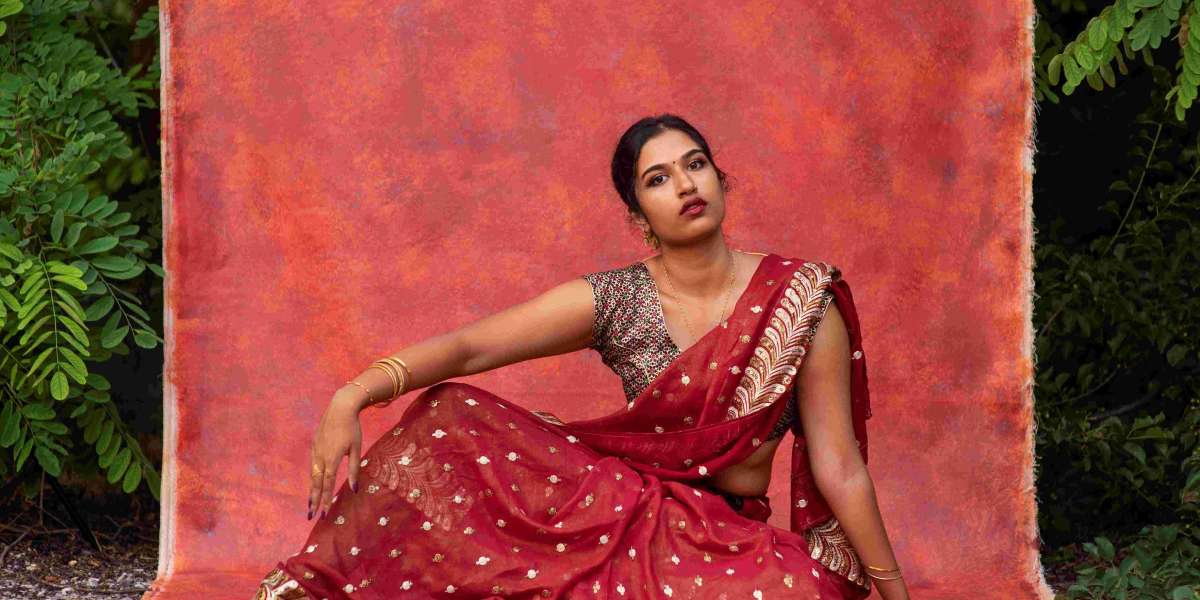

Among India's most celebrated textile traditions, Kanchipuram sarees stand as magnificent symbols of cultural heritage, artistic excellence, and celebratory splendor. Originating from the temple town of Kanchipuram in Tamil Nadu, these iconic sarees have adorned brides and wedding guests for centuries, their rich colors, intricate designs, and lustrous silk making them the undisputed choice for grand wedding moments. The creation of authentic Kanchipuram sarees involves extraordinary craftsmanship, with master weavers dedicating weeks or months to produce a single saree that becomes a treasured family heirloom.
The distinctive character of Kanchipuram sarees lies in their unique weaving technique and the exceptional quality of pure mulberry silk used in their creation. Traditional Kanchipuram weavers employ a technique where the border, body, and pallu are woven separately and then interlocked together so skillfully that the joint is barely visible. This interlocking technique ensures durability—a hallmark of authentic Kanchipuram sarees—allowing these garments to withstand generations of wear while maintaining their structural integrity and beauty. The silk threads are often twisted with silver wire and then dipped in gold to create the signature zari work that gives these sarees their characteristic golden luster.
The motifs adorning Kanchipuram sarees draw inspiration from temple architecture, nature, and mythology, creating visual narratives that connect wearers to centuries of cultural tradition. Common designs include the temple border (featuring gopuram or temple tower motifs), checks patterns, stripes, floral designs, peacocks, parrots, elephants, and mythological figures. The pallu often serves as the canvas for the most elaborate designs, showcasing the weaver's highest artistry with intricate patterns that can include entire scenes from epics or elaborate geometric compositions. These traditional motifs carry symbolic meaning—peacocks represent beauty, elephants symbolize prosperity, and temple designs invoke divine blessings—making Kanchipuram sarees particularly auspicious for wedding ceremonies.
Color selection for wedding Kanchipuram sarees reflects both tradition and personal expression. Classic wedding colors include deep reds symbolizing matrimonial bliss, rich maroons representing tradition, and vibrant magentas signifying celebration. Gold-based hues like mustard, yellow, and saffron orange represent prosperity and auspiciousness. Royal blues, deep greens, and purple shades add regal elegance, while contemporary brides increasingly choose unconventional colors like pastels, mint greens, or even black Kanchipuram sarees for modern wedding ceremonies. The generous use of zari work in contrasting gold or silver threads creates stunning visual impact regardless of base color choice.
The weight and texture of Kanchipuram sarees contribute significantly to their presence at grand wedding moments. These sarees typically have substantial weight due to the pure silk and generous zari work, giving them a luxurious feel and impressive drape. This weight allows the saree to fall in perfect pleats and hold its shape throughout lengthy ceremonies, while the stiff texture creates crisp, defined folds that photograph beautifully. The natural sheen of pure silk combined with the metallic luster of zari creates a radiant appearance that captures light magnificently, ensuring the wearer stands out in wedding photographs and videos.
Bridal Kanchipuram sarees represent the pinnacle of this weaving tradition, often commissioned months in advance to allow adequate time for creation. These special pieces feature the finest silk, the densest zari work, and the most intricate designs, sometimes covering the entire saree with elaborate patterns. Traditional bridal colors favor deep reds and maroons, though modern brides increasingly explore the full spectrum of possibilities. The border width on bridal Kanchipuram sarees tends to be generous—ranging from four to eight inches—creating a bold frame that enhances the saree's grandeur. Many brides choose coordinating or complementary Kanchipuram sarees for different wedding events, creating a cohesive yet varied trousseau.
Beyond brides, wedding guests find Kanchipuram sarees ideal for grand celebrations. These sarees strike the perfect balance between honoring the occasion's formality and allowing guests to express personal style. Family elders often wear traditional temple border Kanchipuram sarees that reflect cultural heritage, while younger attendees might choose contemporary color combinations or modern design interpretations. The inherent elegance of Kanchipuram sarees ensures appropriate attire for wedding ceremonies ranging from intimate family affairs to elaborate destination celebrations attended by hundreds.
The versatility of Kanchipuram sarees extends beyond traditional South Indian weddings to ceremonies across cultures and regions. North Indian weddings, interfaith celebrations, and international destination weddings all embrace these magnificent sarees for their universal appeal and unmistakable elegance. The garment's ability to complement various jewelry styles—from traditional temple jewelry and Kundan sets to contemporary diamond pieces—makes it adaptable to different wedding aesthetics and personal preferences.
Investing in authentic Kanchipuram sarees requires understanding quality markers that distinguish genuine handloom pieces from imitations. Authentic Kanchipuram sarees bear the Silk Mark certification, guaranteeing pure silk content. The reverse side of the saree should show the same design clarity as the front, indicating traditional double-warp weaving technique. The zari should contain real metallic thread—genuine gold or silver plating—rather than synthetic alternatives. Testing involves examining the zari's appearance when held against light and checking its weight and feel. Reputable dealers provide certificates of authenticity and detailed information about the saree's specifications, including silk quality, zari purity, and weaving time.
Caring for precious Kanchipuram sarees ensures they remain beautiful for generations. These sarees should be dry-cleaned by specialists familiar with handling pure silk and zari work. Storage requires careful folding along natural creases, wrapping in unbleached cotton cloth, and placing in breathable containers with natural pest deterrents. Periodic airing prevents moisture accumulation, while refolding along different lines prevents permanent creasing. Proper care transforms these wedding sarees into family treasures that can be worn by multiple generations, accumulating sentimental value alongside their material worth.
The price range of Kanchipuram sarees varies dramatically based on silk quality, zari content, design complexity, and weaving time. Entry-level pieces suitable for simple occasions start at moderate price points, while elaborate bridal sarees with extensive zari work can represent significant investments. Understanding that authentic Kanchipuram sarees require hundreds of hours of skilled labor helps contextualize their pricing. Many families view purchasing Kanchipuram sarees for weddings as investments rather than expenses, recognizing their durability, timeless appeal, and heirloom potential.
Modern innovations in Kanchipuram saree design respect tradition while incorporating contemporary elements. Designers experiment with unconventional color pairings—pairing traditional gold zari with unexpected base colors, creating ombre effects, or introducing digital prints alongside traditional weaving. Lighter-weight Kanchipuram sarees cater to those who appreciate the aesthetic but prefer more comfortable draping. Fusion designs incorporate contemporary motifs alongside traditional patterns, appealing to brides seeking balance between heritage and modernity.
Regional variations within Kanchipuram saree production offer interesting diversity. Some weavers specialize in particular design categories—temple borders, checks patterns, or figurative pallus. Certain color combinations become signatures of specific weaving families or villages. These variations allow collectors and connoisseurs to appreciate subtle distinctions while supporting diverse artisan communities within the Kanchipuram weaving tradition.
The emotional significance of Kanchipuram sarees at weddings extends beyond their material beauty. Many brides wear Kanchipuram sarees belonging to their mothers or grandmothers, creating tangible connections across generations. The gifting of Kanchipuram sarees from parents to daughters represents blessings, love, and the passing of cultural heritage. Wedding photographs featuring these magnificent sarees become family treasures, documenting not just visual beauty but the cultural continuity these garments represent.
International recognition of Kanchipuram sarees has grown considerably, with museums worldwide displaying exemplary pieces as textile art. Fashion weeks and cultural exhibitions showcase these sarees to global audiences, introducing their magnificence to new admirers. This international appreciation has created demand beyond traditional markets, with diaspora communities and textile enthusiasts worldwide seeking authentic Kanchipuram sarees for weddings and special occasions.
Heritage Kanchipuram sarees crafted for grand wedding moments represent the perfect convergence of artistic excellence, cultural tradition, and celebratory magnificence. These extraordinary textiles transform wearers into living artworks, their rich colors, intricate designs, and lustrous silk creating unforgettable visual impact. As they continue to grace weddings across generations and geographies, Kanchipuram sarees remain timeless symbols of heritage, craftsmanship, and the enduring beauty of India's textile traditions, ensuring that grand wedding moments are celebrated in unparalleled elegance and cultural authenticity.