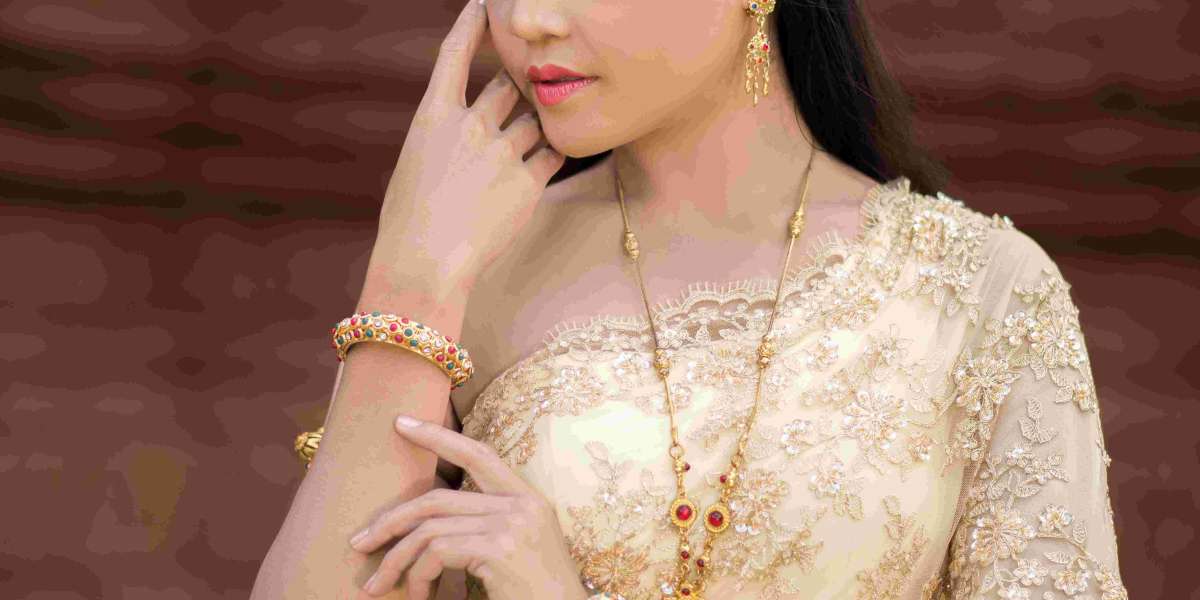

The traditional mangalsutra holds an irreplaceable position in Indian culture as the quintessential symbol of matrimony. This sacred ornament, steeped in centuries of tradition and spiritual significance, represents the eternal bond between husband and wife. Its classic design and profound meaning make it an essential component of Hindu marriage ceremonies and marital life.
The Cultural Significance of Traditional Mangalsutra
A traditional mangalsutra, literally meaning "auspicious thread," carries deep spiritual and cultural connotations that extend far beyond its role as jewelry. According to ancient beliefs, this sacred ornament protects the marriage and ensures the well-being and longevity of the husband. The black beads, typically made of gold with black enamel coating or black glass, are believed to ward off evil and negative energies, while the gold represents prosperity and divine blessings.
The design of a classic traditional mangalsutra varies across different regions of India, each style reflecting local customs and artistic traditions. From the simple black bead chains of Maharashtra to the elaborate gold pendants of South India, every variation tells a story of cultural heritage. Despite these regional differences, the fundamental elements remain consistent: black beads strung on a gold chain or thread, often accompanied by a gold pendant bearing auspicious symbols.
Elements of Sacred Elegance
Sacred elegance in a traditional mangalsutra comes from the harmonious blend of simplicity and meaningful symbolism. The black beads, arranged in specific patterns and numbers according to regional customs, form the foundation of the design. These beads are not merely decorative; they carry protective and auspicious properties according to traditional beliefs. The contrast between the dark beads and gleaming gold creates a visually striking appearance that is both modest and magnificent.
The pendant, or tanmaniya, serves as the focal point of the traditional mangalsutra. Classic designs feature motifs rich in symbolism: the om symbol representing the divine, tulsi plants signifying purity, peacocks denoting beauty and grace, or simple cylindrical vatis representing unity. Each element is crafted with meticulous attention to detail, ensuring that the piece embodies the sacred purpose it serves.
Craftsmanship Rooted in Heritage
Creating a classic traditional mangalsutra requires specialized skills passed down through generations of artisans. Traditional goldsmithing techniques, some dating back centuries, are employed to craft these sacred ornaments. The process begins with selecting the finest quality gold, typically 22-karat, which offers the perfect balance of purity, durability, and the distinctive warm glow associated with Indian gold jewelry.
Master craftsmen hand-fashion each element, from the delicate gold casing around the black beads to the intricate details on the pendant. Traditional techniques like repoussé (raising designs from the reverse side), chasing (embellishing the front surface), and granulation (applying tiny gold beads) create depth and texture. This handcrafted approach ensures that every traditional mangalsutra is unique, carrying the artisan's skill and dedication in every curve and detail.
Regional Variations in Design
The beauty of the traditional mangalsutra lies partly in its regional diversity. In Maharashtra, the mangalsutra typically features two vatis (cup-shaped pendants) strung on a black bead chain. South Indian designs are often more elaborate, with longer chains and larger pendants incorporating temple jewelry motifs. North Indian styles might combine black beads with diamond or colored stone embellishments, while still maintaining traditional elements.
Bengali traditions favor the Taagpaag, characterized by gold coins or cylindrical beads instead of black beads. Gujarati and Rajasthani designs often incorporate colorful enameling techniques, adding vibrant hues to the gold work. Understanding these regional variations helps brides choose a traditional mangalsutra that connects them to their cultural roots while honoring their family traditions.
The Ceremony and Emotional Significance
The moment when the groom ties the traditional mangalsutra around the bride's neck during the wedding ceremony is among the most significant in Hindu marriages. This sacred act, performed while chanting Vedic mantras, symbolizes the formal union of two souls. The three knots traditionally tied represent the couple's commitment to each other and their respective families, as well as their devotion to the divine.
For many women, wearing their traditional mangalsutra is a daily affirmation of their married status and a source of emotional connection to their spouse and family. It serves as a constant reminder of the vows taken and the sacred bond shared. This emotional significance elevates the mangalsutra from mere jewelry to a cherished talisman that many women would never consider removing.
Preserving Tradition for Future Generations
In an era of rapid modernization, the classic traditional mangalsutra stands as a beautiful link to our cultural heritage. Many families maintain the tradition of passing down mangalsutras through generations, with grandmothers gifting their cherished pieces to granddaughters. These heirloom pieces carry not just monetary value but also the blessings, memories, and stories of the women who wore them before.
Young brides today often seek traditional mangalsutra designs that honor their heritage while fitting their personal style. Jewelers respond by creating pieces that maintain traditional symbolism and craftsmanship while offering variations in size, weight, and subtle design elements. This evolution ensures that the tradition remains relevant and meaningful for contemporary couples.
Caring for Your Sacred Ornament
A traditional mangalsutra deserves careful maintenance to preserve its beauty and integrity. Regular gentle cleaning maintains the gold's luster and ensures the black bead coating remains intact. Avoid exposing the piece to harsh chemicals or abrasive materials. When not worn, store it carefully in a soft cloth to prevent tangling and protect the beads from damage.
Periodic professional inspection ensures that the stringing remains secure and that all components are in good condition. For antique or heirloom pieces, specialized conservation may be necessary to address wear while preserving the original craftsmanship and patina that add to their character and value.
Conclusion
The classic traditional mangalsutra designed for sacred elegance represents far more than beautiful jewelry. It embodies centuries of cultural wisdom, spiritual beliefs, and artistic excellence. Its enduring appeal lies in its ability to connect women to their heritage while symbolizing one of life's most important relationships. As both a sacred talisman and an elegant ornament, the traditional mangalsutra continues to hold a cherished place in the hearts of married women, serving as a daily reminder of love, commitment, and the blessings of matrimony. In wearing this timeless piece, women honor the past, celebrate the present, and pass on precious traditions to future generations.