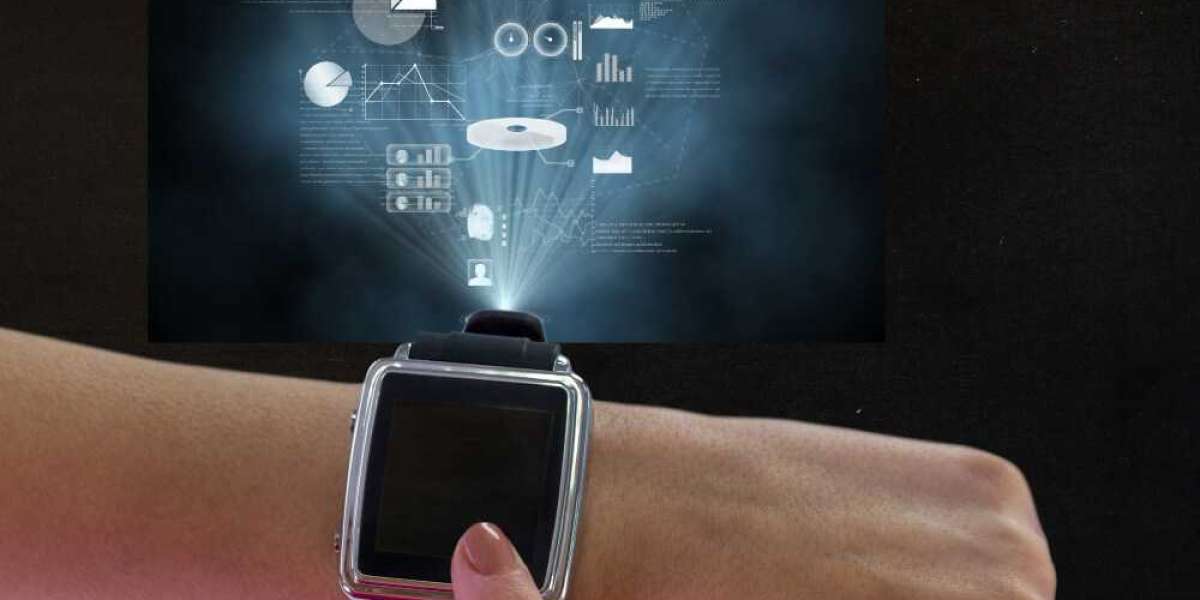

Modern AR/VR headsets, night-vision optics, and compact viewfinders often suffer from blurry visuals, bulky modules, and high power drain. These issues reduce user comfort and visual accuracy, especially in wearable and handheld optical systems. The root problem is usually the display technology inside the device.
This is where the micro oled display changes everything. Designed for ultra-compact optical systems, this display technology delivers sharp images, high contrast, and low power consumption in a very small size, making it ideal for advanced optics and immersive devices.
What Makes a Micro OLED Display Different from Traditional Displays?
A micro OLED display is built on a silicon backplane instead of glass. This allows extremely small pixel sizes and very high pixel density (PPI). As a result, images appear sharper even when viewed through magnifying lenses in AR/VR optics.
Unlike LCD or traditional OLED panels, micro OLED provides:
Self-emitting pixels (no backlight needed)
True black levels and high contrast ratio
Faster response time
Smaller panel size with higher resolution
Lower power usage for portable devices
These features solve common display problems found in head-mounted optics and smart wearable systems.
Why Image Clarity Matters in Optical Devices
In AR glasses, thermal scopes, holographic sights, and VR headsets, the display is magnified by optical lenses. If the pixel density is low, users see screen-door effects, blur, or pixel gaps.
A micro oled display offers ultra-high PPI, which removes visible pixelation when magnified. This creates:
Smooth text and graphics
Realistic virtual overlays
Better targeting accuracy in sights
Reduced eye strain during long use
This is critical for defense optics, medical viewers, industrial inspection tools, and immersive AR/VR products.
Compact Size Enables Lightweight AR/VR and Optical Modules
Device manufacturers struggle to reduce the size and weight of optical modules. Traditional displays require more space for backlights and layers.
Micro OLED panels are extremely small (often under 1 inch) and integrate easily into compact optical engines. This enables:
Smaller Optical Engine Design
Designers can build slimmer AR glasses and lighter headsets.
Better Heat Management
Smaller displays generate less heat, improving device stability.
Flexible Optical Alignment
Easier integration with prisms, waveguides, and lens assemblies.
Power Efficiency for Battery-Driven Devices
Power consumption is a major concern in wearable optics. LCDs and larger OLEDs drain batteries quickly due to backlights and larger pixels.
Micro OLED technology consumes less power because:
No backlight is required
Only active pixels emit light
Silicon backplane improves efficiency
This leads to longer battery life in AR glasses, night vision devices, and portable viewers.
High Contrast and True Black for Night and Low-Light Viewing
In night vision optics, thermal imaging, or dark environments, contrast performance is very important. micro oled display produce true black because pixels turn off completely.
This results in:
Clear visibility in dark scenes
Better depth perception
Improved target recognition
Enhanced viewing comfort in low light
Applications Where Micro OLED Display Performs Best
Because of its small size and high resolution, micro OLED is widely used in:
AR and VR headsets
Digital night vision goggles
Thermal imaging viewers
Holographic and reflex sights
Electronic viewfinders
Medical and industrial inspection optics
These applications demand clarity, compactness, and efficiency — exactly what this display provides.
Why Manufacturers Prefer Micro OLED for Advanced Optics
Optical product manufacturers prefer micro OLED because it simplifies design challenges. It reduces module size, improves visual output, and lowers power needs without sacrificing performance.
This makes it a preferred choice for next-generation wearable optics, smart scopes, and immersive display systems.