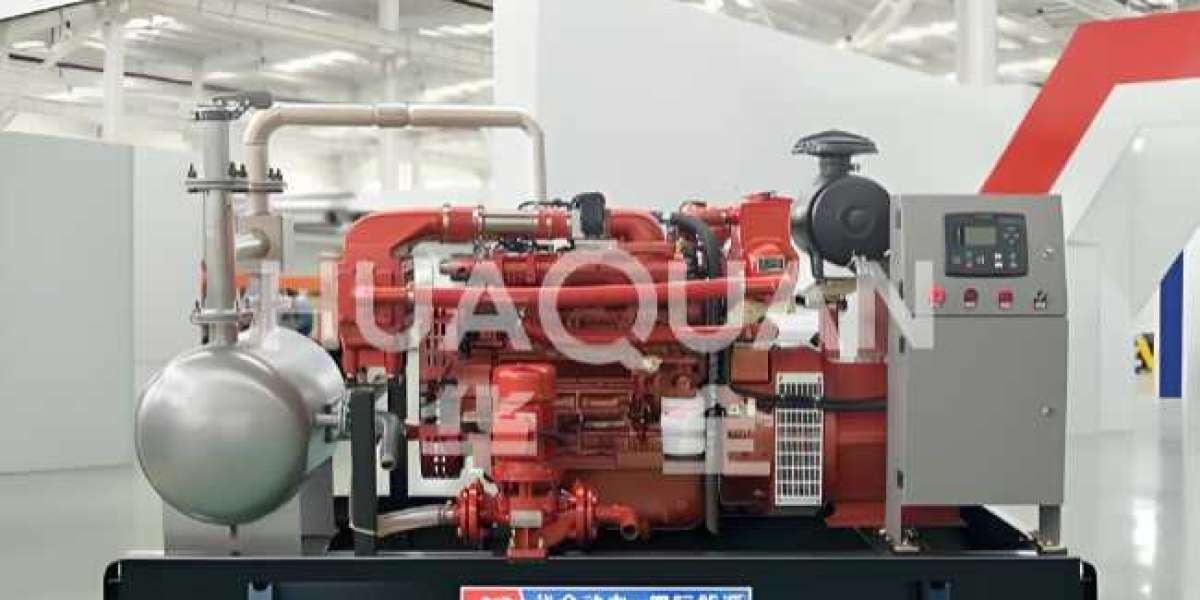

Industrial generators are essential on high-demand worksites such as construction zones, mining operations, manufacturing plants, oil and gas facilities, and large infrastructure projects. They provide dependable power in locations where grid electricity is unavailable or insufficient. However, one major challenge associated with industrial generators is noise.
Excessive generator noise can create serious issues, including worker fatigue, communication difficulties, regulatory violations, and disturbances to surrounding communities. In some cases, prolonged exposure to high decibel levels may even pose health risks. For this reason, reducing generator noise is not just a matter of comfort — it is a critical operational priority.
This article explores effective strategies to reduce the noise of industrial generators while maintaining performance and reliability in high-demand worksites.
Understanding the Sources of Generator Noise
Before implementing noise reduction measures, it is important to understand where the noise originates. Industrial generators typically produce sound from four main sources:
- Engine combustion noise – Generated by internal combustion processes.
- Exhaust system noise – Caused by high-pressure gases exiting the engine.
- Mechanical vibration – Produced by moving engine components.
- Cooling system noise – Resulting from fans and airflow mechanisms.
Each of these noise sources requires targeted solutions to achieve meaningful reduction.
Use of Acoustic Enclosures
One of the most effective methods to Reduce the noise of industrial generators installing an acoustic enclosure. These specially designed enclosures surround the generator and absorb sound before it escapes into the environment.
Benefits of Acoustic Enclosures:
- Significant decibel reduction
- Protection from weather elements
- Improved safety and containment
- Enhanced compliance with local noise regulations
Acoustic enclosures are typically lined with sound-absorbing materials such as foam insulation, mineral wool, or composite acoustic panels. Proper ventilation design is essential to ensure airflow is not restricted, as overheating can reduce generator efficiency.
In high-demand worksites located near residential or urban areas, acoustic enclosures are often mandatory to meet environmental noise standards.
Installing Industrial-Grade Silencers
The exhaust system is one of the loudest components of a generator. Installing industrial-grade silencers or mufflers can dramatically reduce exhaust noise.
There are different types of silencers available, including:
- Reactive silencers
- Absorptive silencers
- Combination silencers
Reactive silencers reflect sound waves internally, while absorptive silencers use sound-absorbing materials to dampen noise. Combination silencers provide both functions for maximum efficiency.
Selecting the appropriate silencer depends on the generator size, load requirements, and acceptable noise levels for the worksite.
Vibration Isolation Techniques
Mechanical vibration contributes significantly to generator noise. When vibrations transfer to the floor or supporting structure, they amplify sound levels.
To minimize vibration-related noise:
- Install anti-vibration mounts
- Use rubber or spring isolators
- Ensure proper foundation design
- Secure loose components
Mounting generators on vibration-absorbing pads prevents structural resonance and reduces the transmission of low-frequency noise.
Proper installation is critical, as poorly aligned components can increase vibration and reduce equipment lifespan.
Strategic Placement and Sound Barriers
Generator placement plays a vital role in noise control. Simply relocating the generator to a less sensitive area of the worksite can significantly reduce its impact.
Placement Strategies:
- Position generators away from populated zones
- Use natural barriers like walls or earth berms
- Avoid placing generators near reflective surfaces
In addition, temporary sound barriers can be installed around the generator. These barriers deflect and absorb noise, preventing it from spreading across the worksite.
For construction projects in urban environments, portable acoustic barriers are especially effective in limiting community disturbance.
Upgrading to Quieter Generator Models
Technological advancements have led to the development of quieter industrial generators. Modern designs incorporate:
- Advanced engine insulation
- Improved cooling systems
- Optimized airflow engineering
- Low-noise exhaust systems
While upgrading to a newer generator model requires investment, it can significantly reduce long-term operational noise and improve fuel efficiency.
Many manufacturers now produce “silent” or “super silent” industrial generator models specifically designed for noise-sensitive environments.
Regular Maintenance and Inspection
Poor maintenance can increase generator noise over time. Worn-out components, loose fittings, or damaged exhaust systems often result in excessive sound levels.
Routine maintenance should include:
- Tightening bolts and connections
- Inspecting exhaust systems
- Replacing worn-out mufflers
- Checking vibration mounts
- Cleaning cooling fans
A well-maintained generator operates more smoothly, which naturally reduces mechanical and exhaust noise.
Preventive maintenance also ensures consistent performance and prevents unexpected downtime.
Implementing Soundproof Generator Rooms
For permanent worksites such as manufacturing plants or industrial facilities, constructing a dedicated soundproof generator room is an effective solution.
These rooms are built using acoustic insulation materials within walls, ceilings, and doors. Proper ventilation systems are installed to maintain airflow while minimizing sound leakage.
Soundproof rooms offer:
- Maximum noise containment
- Increased worker comfort
- Improved regulatory compliance
- Enhanced environmental responsibility
Careful design is required to balance soundproofing with adequate cooling and maintenance accessibility.
Using Advanced Noise Monitoring Systems
Monitoring sound levels is an important step in managing generator noise effectively. Installing noise monitoring systems allows site managers to measure decibel levels in real time.
Benefits include:
- Identifying peak noise periods
- Ensuring compliance with occupational safety regulations
- Evaluating effectiveness of noise reduction strategies
By tracking noise data, companies can adjust operational schedules or implement additional sound control measures as needed.
Scheduling and Operational Adjustments
Operational planning can also reduce the impact of generator noise. In worksites with flexible schedules, high-load generator operations can be planned during hours when fewer workers are present.
Additionally, operating generators at optimal load levels improves efficiency and reduces unnecessary strain, which can lower noise output.
Avoiding frequent start-stop cycles also helps minimize abrupt noise spikes.
Worker Protection and Safety Measures
While reducing generator noise at the source is ideal, protecting workers remains essential in high-demand worksites.
Employers should provide:
- Hearing protection equipment
- Noise exposure training
- Clearly marked safe zones
- Rotational shifts to limit prolonged exposure
These measures ensure compliance with occupational health standards and protect workers from long-term hearing damage.
Balancing Performance and Noise Reduction
A common concern is that noise reduction efforts may compromise generator performance. However, modern strategies are designed to maintain power output while minimizing sound.
Properly engineered acoustic enclosures and silencers are built to allow sufficient airflow and exhaust ventilation. Advanced cooling systems prevent overheating, ensuring that performance remains consistent even with added soundproofing.
By combining multiple strategies — such as enclosures, vibration control, and maintenance — worksites can achieve optimal results without sacrificing operational efficiency.
Conclusion
Industrial generators are indispensable in high-demand worksites, but their noise output presents challenges that cannot be ignored. Excessive noise affects worker safety, community relations, and regulatory compliance.
Fortunately, effective strategies exist to significantly reduce generator noise. From installing acoustic enclosures and industrial silencers to implementing vibration isolation, strategic placement, and regular maintenance, these solutions create quieter, safer, and more efficient work environments.
By adopting a comprehensive approach to noise management, companies can maintain high-performance power generation while fostering a more productive and responsible worksite atmosphere. In today’s demanding industrial landscape, noise reduction is not just an improvement — it is a necessity.