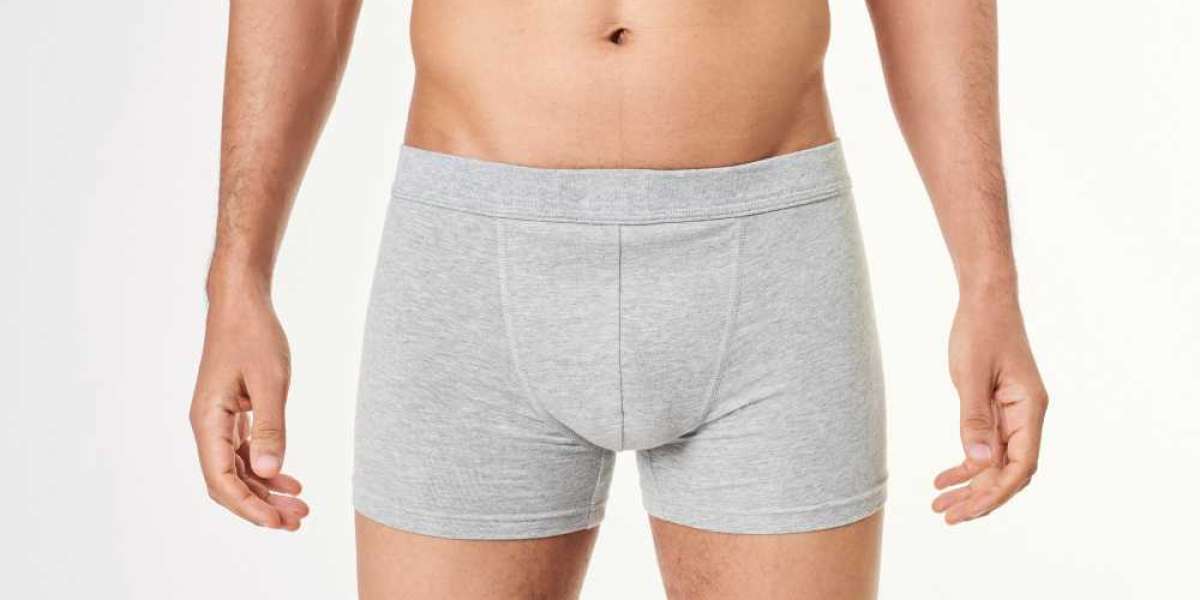

In the 2026 athletic landscape, men's compression shorts have evolved from a simple base layer into a sophisticated piece of recovery equipment. As male participation in endurance sports, high-intensity interval training (HIIT), and functional fitness reaches peak levels, the B2B demand for "true compression"—garments that provide scientifically backed pressure gradients—has shifted the procurement landscape.
For wholesalers and private label owners, the challenge is no longer just finding a "tight fit." It is about solving deep-seated mechanical failures that lead to muscle fatigue, skin irritation, and premature garment breakdown. To maintain a competitive edge in 2026, your sourcing strategy must address the three most persistent engineering problems in the compression sector.
1. The Elastic Modulus Failure: Solving Fiber Fatigue and "Passive" Compression
The most frequent cause of product rejections in the B2B compression space is the rapid loss of compressive power.
The Problem: Many mass-market manufacturers utilize standard polyester-elastane blends that provide "passive" compression—they feel tight on the hanger but lose their elastic modulus (the ability to return to original shape) after fewer than 20 wash cycles. When a garment sags, it fails to facilitate venous return or reduce muscle oscillation, rendering the "compression" claim medically and athletically void.
The Solution: Mandate High-Power Warp-Knit Construction.
Circular vs. Warp Knit: Unlike circular knits used in standard underwear, warp-knit fabrics provide a higher "kick-back" force and greater durability. This ensures the shorts maintain a consistent pressure profile throughout the garment’s lifecycle.
High-Denier Elastane: Specify a minimum of 25-30% LYCRA® Sport or equivalent high-tenacity elastane. This ensures the shorts provide "active" compression that actually aids in lactic acid removal and muscle stabilization.
Recovery Testing: Require your manufacturing partners to provide data on "Power Retention" after 50 simulated washes to guarantee long-term performance for your retail clients.
2. The Anatomical Chafing Barrier: Engineering for Kinetic Torque
Compression wear is designed to be worn directly against the skin for extended periods, making the internal construction a critical success factor.
The Problem: Traditional 4-thread overlock stitching creates a raised internal ridge. During high-repetition movements—such as distance running or cycling—this ridge creates a "sawing" effect against the skin, leading to severe chafing and "salt-rash." Furthermore, many men's compression shorts fail to incorporate a proper "pouch" geometry, leading to anatomical compression that is restrictive rather than supportive.
The Solution: Implement 6-Thread Flatlock Seams and 3D Pouch Construction.
Zero-Abrasion Seams: Flatlock stitching lies completely flush against the skin, eliminating friction points and improving the garment's hydrodynamic and aerodynamic profile.
Anatomical Mapping: Utilize 3D patterns that account for the rotational torque of the hip and groin. A dedicated, dual-layer "comfort zone" in the crotch prevents excessive pressure on sensitive areas while maintaining high-power compression on the quadriceps and hamstrings.
Laser-Cut Hems: Replace bulky folded hems with laser-cut, silicone-gripper edges. This prevents the shorts from "riding up" during explosive movements without cutting off circulation at the mid-thigh.
3. The Thermal Paradox: Solving Moisture Trap and Bacteria Build-up
High-power compression fabrics are inherently dense, which often leads to a failure in thermal regulation.
The Problem: Because compression gear requires a tight knit to provide pressure, it often creates a "plastic wrap" effect, trapping heat and perspiration against the skin. This not only leads to overheating but creates a breeding ground for odor-causing bacteria and skin infections. In a B2B context, "breathability failures" are a primary driver of seasonal inventory markdowns.
The Solution: Integrate Zoned Ventilation and Inherent Antimicrobial Yarns.
Micro-Mesh Mapping: Source shorts that feature laser-perforated zones or high-ventilation mesh panels in high-sweat areas (the lower back and inner thigh). This allows for evaporative cooling without compromising the overall compressive integrity.
Silver-Ion Infusion: Move away from topical antibacterial sprays. Source fabrics where silver ions or charcoal elements are infused into the polymer melt. This provides permanent odor control that doesn't wash out, fulfilling the 2026 consumer demand for "hygienic longevity."
Moisture-Wicking Capillary Action: Ensure the yarn cross-section is engineered (such as a "C" or "W" shape) to pull sweat away from the skin through capillary action, keeping the athlete dry and preventing "chilling" during rest periods.
2026 B2B Men's Compression Technical Matrix
| Technical Feature | Standard Athletic Grade | B2B Authority Grade (2026) |
| Fabric Structure | Circular Knit (Standard) | Warp-Knit (High-Tenacity) |
| Elastane Content | 10% - 15% | 25% - 32% (High-Power) |
| Seam Construction | Overlock / Zig-Zag | 6-Thread Flatlock (Smooth) |
| Odor Control | Topical Chemical Spray | Inherent Silver-Ion Infused |
| Edge Finish | Folded / Stitched Hem | Laser-Cut with Silicone Grip |
Conclusion
Winning in the men's compression shorts category in 2026 requires moving away from the "commodity activewear" mindset. For the B2B professional, success is found in the technical details: solving fiber fatigue through warp-knit construction, ensuring comfort with flatlock seams, and guaranteeing hygiene through inherent antimicrobial technology.
By positioning your inventory as "recovery equipment" rather than just base-layer clothing, you build the kind of brand authority that commands premium margins and ensures long-term retail partnerships. In an era where "durability is the new luxury," providing a product that performs as well on its 100th workout as it did on its first is the smartest investment you can make.